7 Ways to Say 'I Hope All is Well' in English: A Guide to Expressing Empathy and Good Intentions
7 Ways to Say 'I Hope All is Well' in English: A Guide to Expressing Empathy and Good Intentions
The phrase 'I hope all is well' is a common expression used in English to convey concern and inquiry about someone's well-being. However, there are many variations to this phrase that can be used in different contexts and situations. In this article, we will explore 7 different ways to say 'I hope all is well' in English, along with examples and tips on when to use them.
1. For Formal or Professional Settings
In formal or professional settings, you may want to use more polished language to inquire about someone's well-being. Consider using phrases like:
- 'I hope you're doing well.'
- 'How are you doing today?'
- 'I was just thinking about you and wanted to check in.'
Example:
John, the CEO, sent a message to his employee, Emily: 'I hope you're doing well after the weekend. How was your trip?' This maintains a professional tone while still showing concern for Emily's well-being.
2. For Close Relationships or Friends
For close relationships or friendships, you can use more casual language to express your concern. Try using phrases like:
- 'Hey, how's it going?'
- 'What's new with you?'
- 'Just wanted to check in and see how you're doing.'
Example:
Tom texted his friend, Alex: 'Hey, how's it going? I just thought about you and wanted to make sure everything's okay.' This casual phrase shows that Tom values their friendship and wants to stay connected.
3. For Someone Who's Been Through a Difficult Time
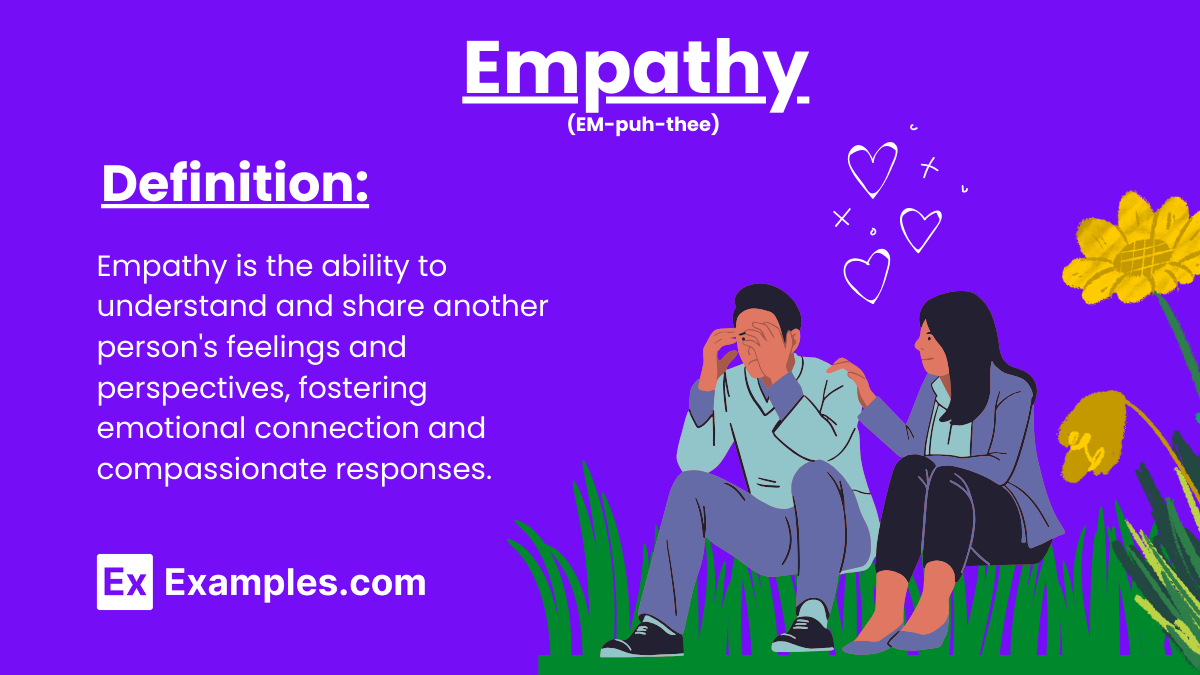
When someone has been through a difficult time, you may want to use more empathetic language to show your support. Consider using phrases like:
- 'I'm thinking about you during this tough time.'
- 'I'm sending you all my good thoughts.'
- 'If there's anything I can do to help, please don't hesitate to reach out.'
Example:
David, a friend, sent a message to Sarah, who had recently lost her mother: 'I'm so sorry to hear about your loss. I'm thinking about you during this tough time and if there's anything I can do to help, please don't hesitate to reach out.' This shows empathy and offers support.
4. For Written Communication
When communicating in writing, such as in an email or letter, you may want to use more polished language to ask about someone's well-being. Consider using phrases like:
- 'I was wondering how you're doing.'
- 'I hope to hear from you soon.'
- 'I'm thinking about you and wanted to check in.'
Example:
Emily, a teacher, sent an email to her professor, Professor Lee: 'I was wondering how you're doing and if you need any help with your class. I hope to hear from you soon.' This shows concern for the professor's well-being in a written format.
5. For Phone Calls or In-Person Conversations
When speaking with someone in person or over the phone, you can usually ask about their well-being more directly. Try using phrases like:
- 'How are you doing today?'
- 'How was your week?'
- 'How's everything going?'
Example:
Michael, a coworker, asked Sarah, 'How are you doing today? Has everything been okay?' This direct question shows concern for Sarah's well-being in a face-to-face conversation.
6. For Slightly Sarcastic or Humorous Tones
Sometimes, you may want to use a somewhat sarcastic or humorous tone when asking about someone's well-being. In these cases, you can use phrases like:
- 'Are you still alive? We haven't heard from you in ages! '
- 'How's life? Still surviving, I hope? '
- 'Long time no see, what've you been up to?'
Example:
Tom, a friend, joked with Alex, 'Are you still alive? We haven't heard from you in ages! What's new?' This comment is lighthearted and playful, but still conveys concern for Alex's well-being.
7. For Special Occasions or Holidays
For special occasions or holidays, you can use phrases that are more festive or celebratory in tone. Consider using phrases like:
- 'Hope you had an amazing [holiday/special occasion]! '
- 'Wishing you a great [holiday/special occasion] and all the best for the year ahead! '
- 'Just wanted to say happy [holiday/special occasion] and hope all is well! '
Example:
Emily, a coworker, texted her friend, Jack: 'Hey, happy birthday! Hope you had an amazing day and that all is well!' This message shows celebration and concern for Jack's well-being during a special occasion.
Final Tips
When asking 'I hope all is well,' make sure to:
- Consider the context and relationship with the person.
- Use language that is suitable for the level of formality or informality of the situation.
- Be genuine and sincere in your expression of concern.
By following these tips and using the phrases outlined in this article, you'll be able to express empathy and good intentions in a clear and effective way.
Related Post

The Ultimate Guide To Richard Gere Movies: Explore His Iconic Roles

Jetting Down the Track: Dutch Sport Park MX Revolutionizes Live Timing & Race Updates

Sonsonate's Indoor Soccer Phenomenon: A Visual Delight

Unveiling the Rich History of Times Leader Wilkes Barre Pa Obituaries: A Timeless Tribute to the Community


