Can Blockchain Technology Revolutionize the Travel Industry?
Can Blockchain Technology Revolutionize the Travel Industry?
As the world becomes increasingly connected, the travel industry is on the cusp of undergoing a significant transformation. Blockchain technology, a decentralized and secure way of storing and sharing data, is poised to revolutionize the way we plan, book, and experience our travels. With its potential to increase efficiency, transparency, and security, blockchain has the potential to change the face of the travel industry forever.
The travel industry is a vast and complex sector that involves multiple stakeholders, from airlines and hotels to tour operators and travel agencies. Currently, the industry relies on intermediaries to facilitate transactions and manage data, resulting in inefficiencies and unnecessary costs.Blockchain technology, on the other hand, allows for direct transactions and contracts to be stored and executed without the need for intermediaries.
According to a report by Travel Technology Initiative, a leading industry publication, "Blockchain technology has the potential to reduce costs associated with travel bookings by 30% and increase revenues by 20% for travel companies." With its ability to automate processes and reduce the need for intermediaries, blockchain technology can help travel companies to streamline their operations and improve their bottom line.
How Blockchain Technology Works in the Travel Industry
Blockchain technology is based on a decentralized network of computers that record and verify transactions. This network uses cryptography and distributed ledger technology to create a permanent and immutable record of all transactions. In the context of the travel industry, blockchain technology can be applied in several ways:
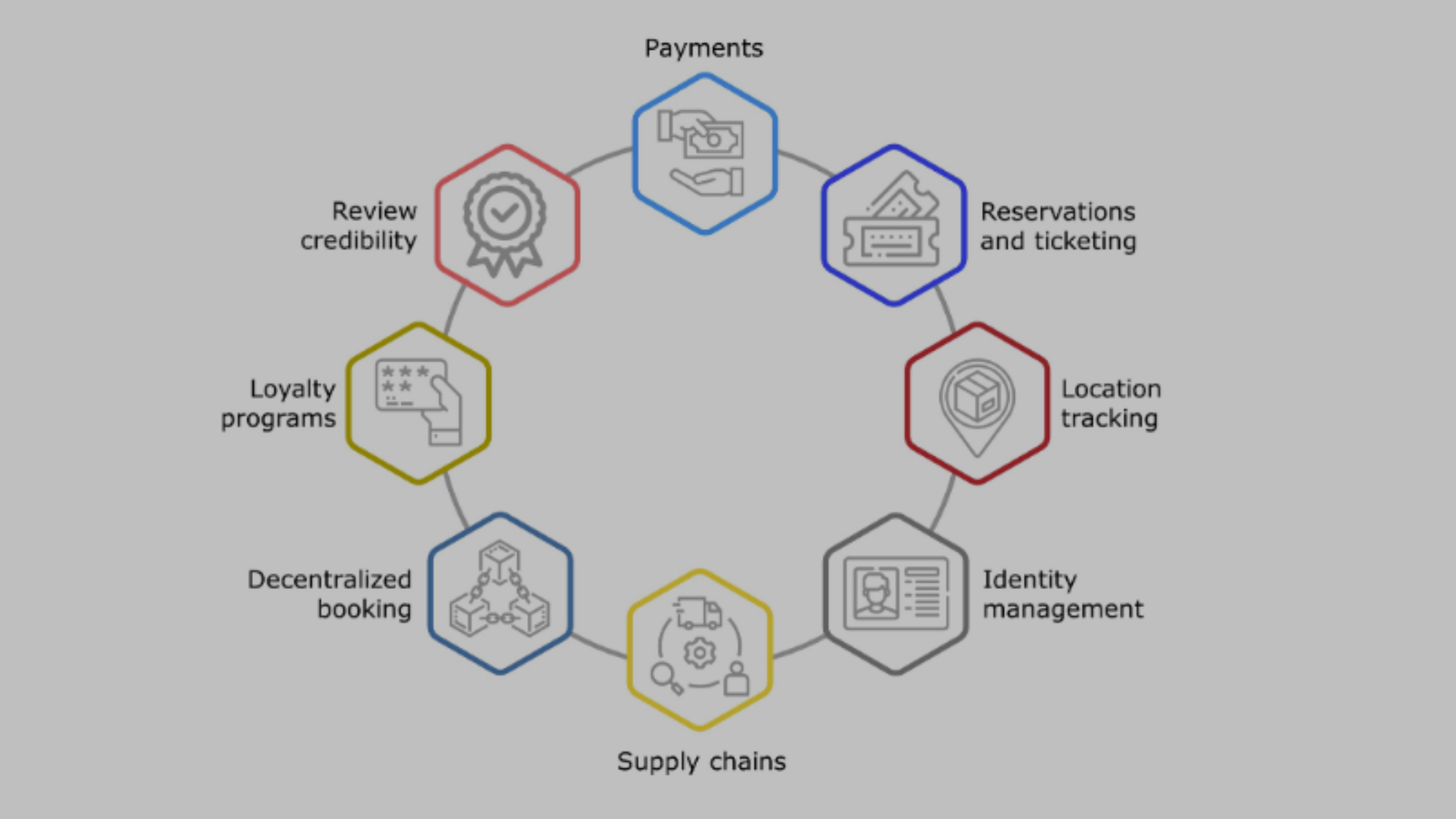
• **Booking and payment systems**: A blockchain-based platform can enable direct booking and payment between travelers and service providers, eliminating the need for intermediaries.
• **Travel documents and credentials**: Blockchain can be used to create tamper-proof digital versions of travel documents such as passports, visas, and boarding passes.
• **Supply chain management**: Blockchain can help track the movement of goods and services throughout the supply chain, ensuring that they meet regulatory requirements and are accounted for properly.
• **Identity verification**: Blockchain-based systems can verify identities and credentials, reducing the risk of identity theft and fraud.
Benefits of Blockchain Technology in the Travel Industry
The benefits of blockchain technology in the travel industry are numerous:
• **Improved efficiency**: Blockchain technology can automate and streamline processes, reducing the need for intermediaries and paperwork.
• **Increased security**: Blockchain's decentralized and tamper-proof nature ensures that data is secure and protected from hacks and cyber attacks.
• **Enhanced transparency**: Blockchain technology provides a transparent view of all transactions and activities, reducing the risk of corruption and mismanagement.
• **Cost savings**: By reducing the need for intermediaries and automation of processes, blockchain technology can help travel companies save costs.
• **Increased trust**: Blockchain technology can increase trust between service providers and travelers by providing a secure and transparent platform for transactions.
Real-World Examples of Blockchain in the Travel Industry
Several companies are already using blockchain technology in the travel industry, including:
• **KLM Royal Dutch Airlines**: KLM has partnered with a blockchain-based company to provide travelers with a secure and transparent platform for booking and paying for flights.
• **Air Canada**: Air Canada has partnered with a blockchain-based company to create a digital version of its loyalty program, allowing travelers to earn and redeem points more efficiently.
• **CheapAir**: CheapAir, a travel comparison website, has developed a blockchain-based platform for booking flights and hotels, allowing travelers to earn rewards and benefits.
Challenges and Limitations of Blockchain Technology in the Travel Industry
While blockchain technology has the potential to revolutionize the travel industry, there are several challenges and limitations to its adoption:
• **Scalability**: Blockchain technology is still in its early stages and can be slow and inefficient when dealing with large amounts of data.
• **Regulatory uncertainty**: The regulatory framework for blockchain technology is still unclear and changing.
• **Adoption**: Travel companies and service providers must be willing to adapt and integrate blockchain technology into their existing systems and processes.
• **Cost**: The cost of implementing blockchain technology can be high, especially for small and medium-sized travel companies.
The Future of Blockchain in the Travel Industry
As the travel industry becomes increasingly tech-savvy, blockchain technology is poised to play an increasingly important role. With its potential to increase efficiency, transparency, and security, blockchain technology has the potential to change the face of the travel industry forever. As the regulatory framework for blockchain technology becomes clearer and adoption rates increase, we can expect to see more companies and service providers integrating blockchain technology into their systems and processes.



Related Post

Uncovering the Hidden Dangers of Csun Portal: Separating Myth from Fact

DMX's Kids and Their Moms Celebrate Him on His Birthday: A Heartwarming Tribute to the Ruff Ryders Rapper

Exposing Beaufort County Mugshots: A Guide to Finding Inmate Photos Online

Breaking Barriers: The Trailblazing Journey of Jesiree Dizon in the Racing World