Cracking the Code: Effective Prevention Strategies for Cleft Lip and Cleft Palate
Cracking the Code: Effective Prevention Strategies for Cleft Lip and Cleft Palate
Cleft lip and cleft palate are two of the most common birth defects worldwide, affecting millions of people every year. These congenital anomalies occur when the lip or palate fails to develop properly during fetal development, resulting in a gap or cleft in the upper lip or roof of the mouth. While the exact causes of cleft lip and cleft palate are complex and multifactorial, research has made significant progress in understanding the risk factors and prevention strategies. In this article, we will delve into the world of prevention, exploring the latest studies, expert insights, and practical tips for reducing the incidence of cleft lip and cleft palate.
#### An Overview of Cleft Lip and Cleft Palate
Cleft lip and cleft palate are birth defects that affect the development of the upper lip and palate. A cleft lip is a small opening in the upper lip, which can extend into the nose. A cleft palate is a split or gap in the roof of the mouth, which can be unilateral or bilateral. According to the World Health Organization (WHO), cleft lip and cleft palate occur in approximately 1 in every 700 births worldwide. The incidence is higher in certain populations, such as those with a family history of the condition or exposure to environmental toxins.
### What Causes Cleft Lip and Cleft Palate?
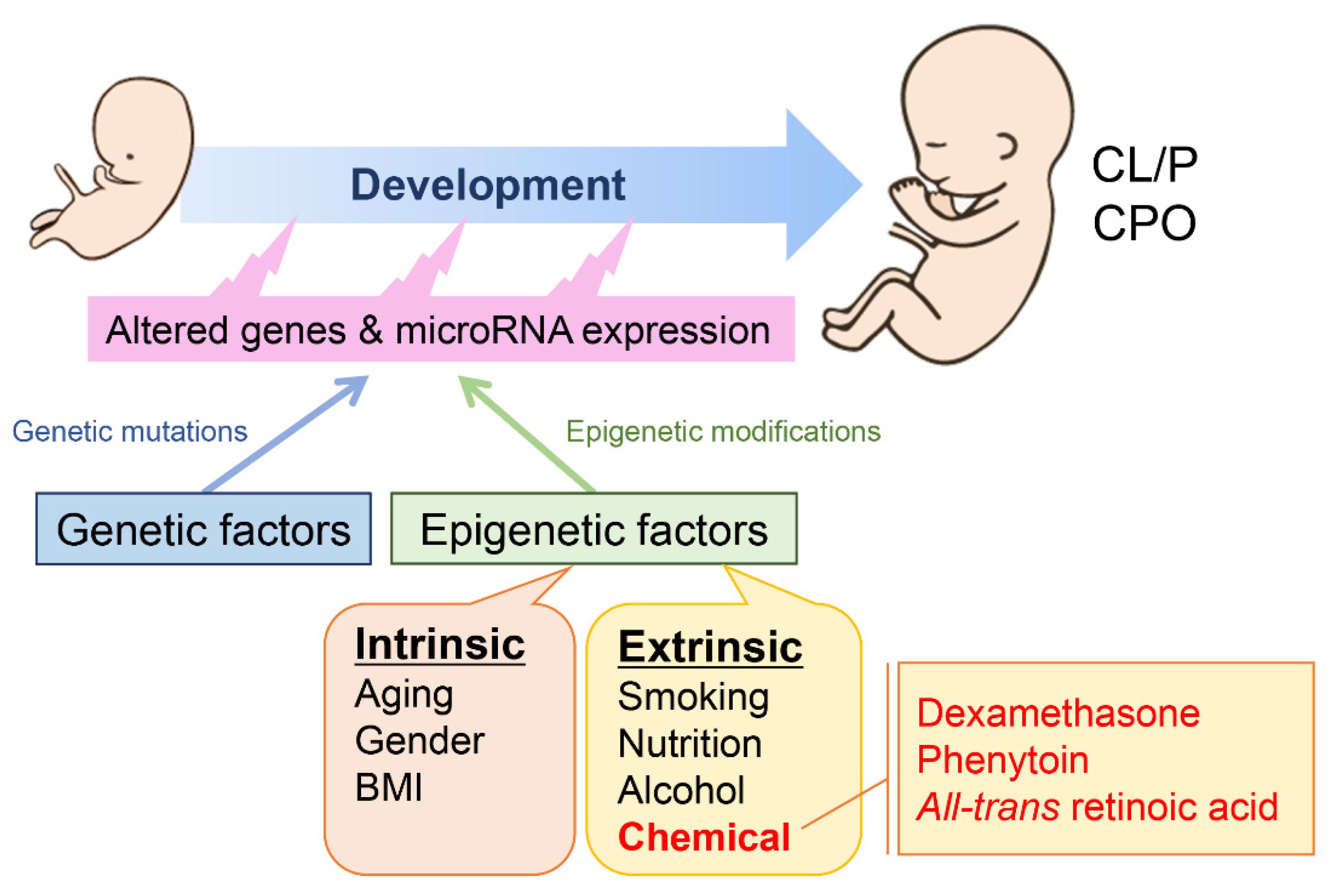
Cleft lip and cleft palate are believed to result from a combination of genetic and environmental factors. Research suggests that genetic mutations, maternal nutrition during pregnancy, and exposure to environmental toxins can all contribute to the development of these birth defects. Genetic mutations can affect the formation of the upper lip and palate during fetal development, leading to a cleft. Maternal nutrition plays a critical role in fetal development, and deficiencies in essential vitamins and minerals may increase the risk of cleft lip and cleft palate. Additionally, exposure to environmental toxins, such as pesticides and heavy metals, has been linked to an increased risk of these birth defects.
#### Identifying Risk Factors
Identifying risk factors is essential for preventing cleft lip and cleft palate. According to the Centers for Disease Control and Prevention (CDC), the following factors increase the risk of cleft lip and cleft palate:
* Family history: A family history of cleft lip and cleft palate increases the risk by 10-20 times.
* Folic acid deficiency: Deficiencies in folic acid during pregnancy have been linked to an increased risk of cleft lip and cleft palate.
* Maternal diabetes: Women with diabetes are at increased risk of having a child with cleft lip and cleft palate.
* Maternal obesity: Maternal obesity has been linked to an increased risk of cleft lip and cleft palate.
By understanding these risk factors, parents and healthcare providers can take steps to reduce the likelihood of cleft lip and cleft palate.

### Prevention Strategies
Prevention is the most effective approach to reducing the incidence of cleft lip and cleft palate. By taking a few simple steps, parents and healthcare providers can significantly reduce the likelihood of these birth defects. These include:
* Folic acid supplementation: Taking a folic acid supplement during pregnancy can help prevent cleft lip and cleft palate.
* Preconception counseling: Meeting with a healthcare provider before becoming pregnant can help identify potential risk factors and discuss prevention strategies.
* Prenatal care: Regular prenatal care is essential for monitoring fetal development and identifying potential issues early.
* Healthy lifestyle: Maintaining a healthy lifestyle, including a balanced diet and regular exercise, can also help reduce the risk of cleft lip and cleft palate.
### Conclusion
While cleft lip and cleft palate are complex birth defects, prevention is a powerful tool in reducing their incidence. By understanding the risk factors and taking a proactive approach, parents and healthcare providers can significantly reduce the likelihood of these birth defects.



Related Post

Mobile Homes For Rent Near Me By Owner: A Comprehensive Guide

Unlock the Power of Facebook Marketplace Sedalia Mo: A Comprehensive Guide to Buying and Selling Locally

Jailhouse Secrets: Indian River County Inmates Speak Out

Unlocking Convenience: A Comprehensive Guide to Truist Sign In Online Banking