**From an Antiterrorism Perspective: Espionage and Security Negligence in the Digital Age
**From an Antiterrorism Perspective: Espionage and Security Negligence in the Digital Age
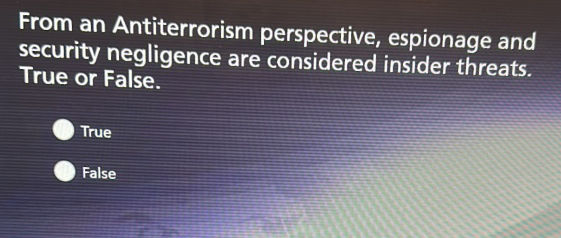
In the post-9/11 world, the threat of terrorism has evolved, and so has the way that countries and governments approach counter-terrorism and security. With the rise of cyber threats and digital espionage, the lines between national security and terrorism are increasingly blurred. From an antiterrorism perspective, espionage and security negligence are critical issues that require a comprehensive approach to address. This article will delve into the complexities of espionage, security negligence, and their consequences, highlighting the importance of digital forensics and threat intelligence in mitigating these threats.
The digital age has revolutionized the way terrorists operate, with the internet and social media playing a pivotal role in their planning and execution. According to a report by the International Institute for Strategic Studies, "modern terrorism is increasingly driven by hyper-connected, hyper-learned, and hyper-motivated individuals who use the internet to mobilize support, disseminate propaganda, and execute operations." (1) This has led to an escalating threat landscape, where governments and security agencies are facing new challenges in detecting and preventing terrorist activities.
Defining Espionage and Security Negligence
Espionage, or the act of spying, is a critical aspect of terrorism, as it allows groups to gather sensitive information and intelligence. However, security negligence can hinder antiterrorism efforts, allowing spies to exploit vulnerabilities and uncover classified information. Security negligence can take many forms, including:
* Inadequate network security measures, allowing hackers to access classified databases and systems
* Failing to implement robust cybersecurity protocols, making it easy for spies to infiltrate systems
* Lack of proper training for personnel, leading to human error and security breaches
* Ineffective communication and information sharing between agencies, allowing potential threats to slip through the cracks
A notable example of espionage negligence was the Case of NSA contractor Harold Martin, who stole sensitive information from the National Security Agency. According to a report by The Intercept, Martin accessed classified information from NSA systems, including top-secret documents and sensitive information on NSA operations. (2)
The Digital Trail of Terrorism
In the digital age, terrorists leave behind a trail of digital evidence, including social media posts, online chatter, and encrypted communications. However, analyzing this information can be a daunting task, requiring sophisticated digital forensics and threat intelligence capabilities. According to a report by the Rand Corporation, "the exponential growth of social media and online platforms has created a vast amount of data that needs to be analyzed to identify potential threats." (3)
Governments and security agencies are turning to digital forensics and threat intelligence to combat terrorism, using tools and software to analyze online activity and identify potential threats. However, the speed and effectiveness of digital forensics are often hindered by security negligence, allowing potential threats to slip through the cracks.
The Consequences of Espionage and Security Negligence
The consequences of espionage and security negligence can be far-reaching, with significant repercussions for national security and global stability. According to a report by the Center for Strategic and International Studies, "terrorism poses a significant threat to global stability, with the potential to destabilize economies, disrupt global supply chains, and create humanitarian crises." (4)
Some of the consequences of espionage and security negligence include:
* Compromised national security, allowing adversaries to gain access to sensitive information
* Economic disruption, as critical infrastructure and industries are targeted
* Humanitarian crises, as terrorist groups exploit vulnerabilities in critical systems
* Decreased public trust in government and security agencies, as security breaches occur
Addressing Espionage and Security Negligence
To combat espionage and security negligence, governments and security agencies must adopt a comprehensive approach that includes:
* Implementing robust cybersecurity protocols, including encryption and secure communication channels
* Providing adequate training for personnel, including digital forensics and threat intelligence capabilities
* Enhancing information sharing and collaboration between agencies, to prevent potential threats from slipping through the cracks
* Implementing digital forensics and threat intelligence tools and software, to analyze online activity and identify potential threats
Examples of successful counter-terrorism efforts include the creation of the Joint Terrorism Task Force, which coordinates antiterrorism efforts across agencies, and the implementation of the Cybersecurity and Infrastructure Security Agency (CISA), which provides guidance on digital forensics and threat intelligence.
In conclusion, from an antiterrorism perspective, espionage and security negligence are critical issues that require a comprehensive approach to address. The digital age has revolutionized the way terrorists operate, and governments and security agencies must adapt to stay ahead of the threat. By implementing robust cybersecurity protocols, providing adequate training for personnel, and enhancing information sharing and collaboration, we can mitigate the consequences of espionage and security negligence and keep our communities safe.
Sources:
(1) The International Institute for Strategic Studies. "The Future of the International Counter-Terrorism Strategy." March 2020.
(2) The Intercept. "NSA Contractor Harold Martin Pleads Guilty to Stealing Classified Info." November 2016.
(3) Rand Corporation. "Harnessing the Power of Social Media for Terrorism Prevention and Countering." March 2019.
(4) Center for Strategic and International Studies. "The Future of Terrorism." November 2020.


Related Post

The Unlikely Hero of Czech Basketball: The Inspiring Life and Legacy of Mirek Subert

The Longest Facetime Ever Recorded: A Look into a Record-Breaking Video Call

Angeles Negros: Unveiling the Wonders of Colombia's Diverse Region

The Heartbreak And Resilience Of A Twilight Character: Unpacking Emily Young's Journey