Georgia's Prison Problem: Uncovering the Truth Behind the State's Overcrowded Jails and Prisons
Georgia's Prison Problem: Uncovering the Truth Behind the State's Overcrowded Jails and Prisons
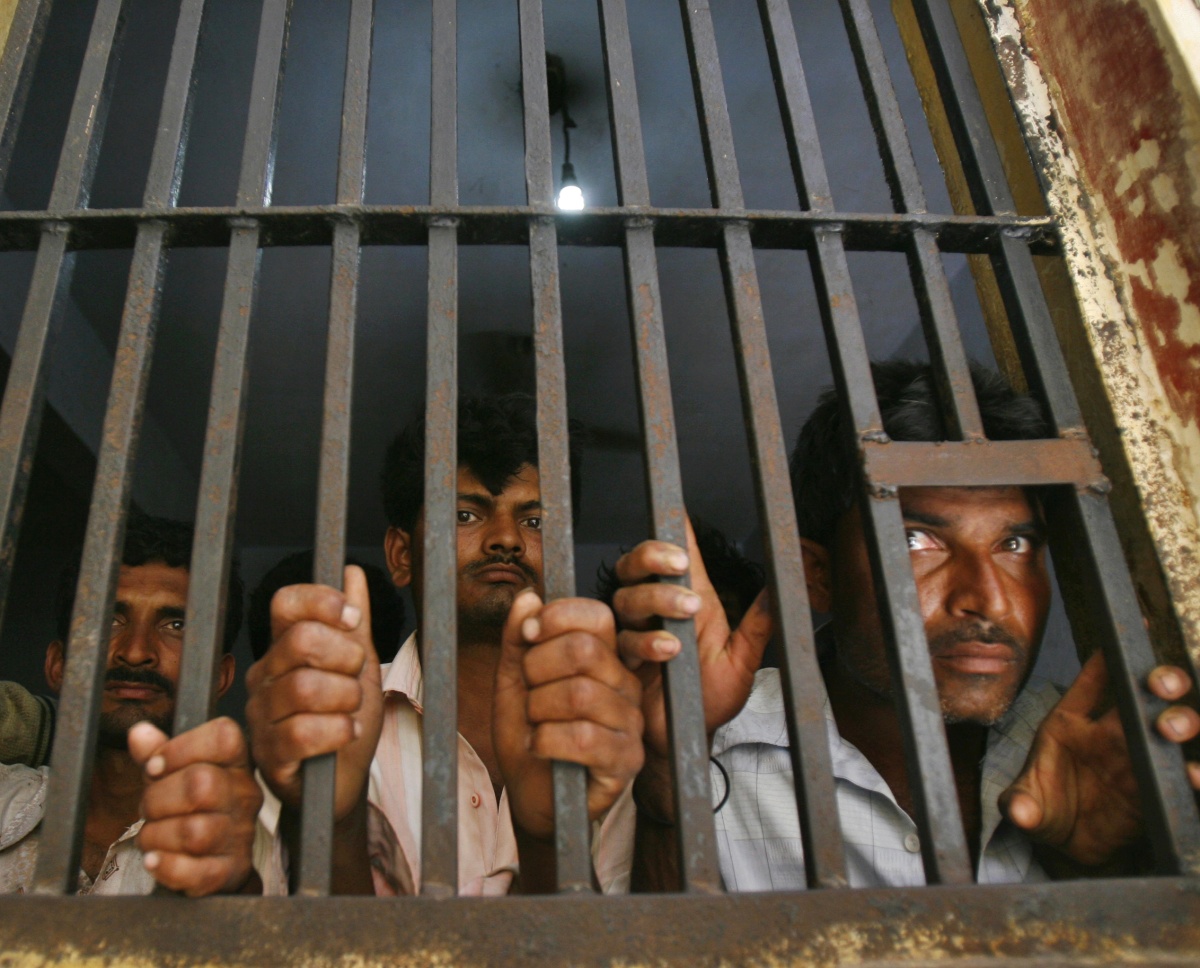
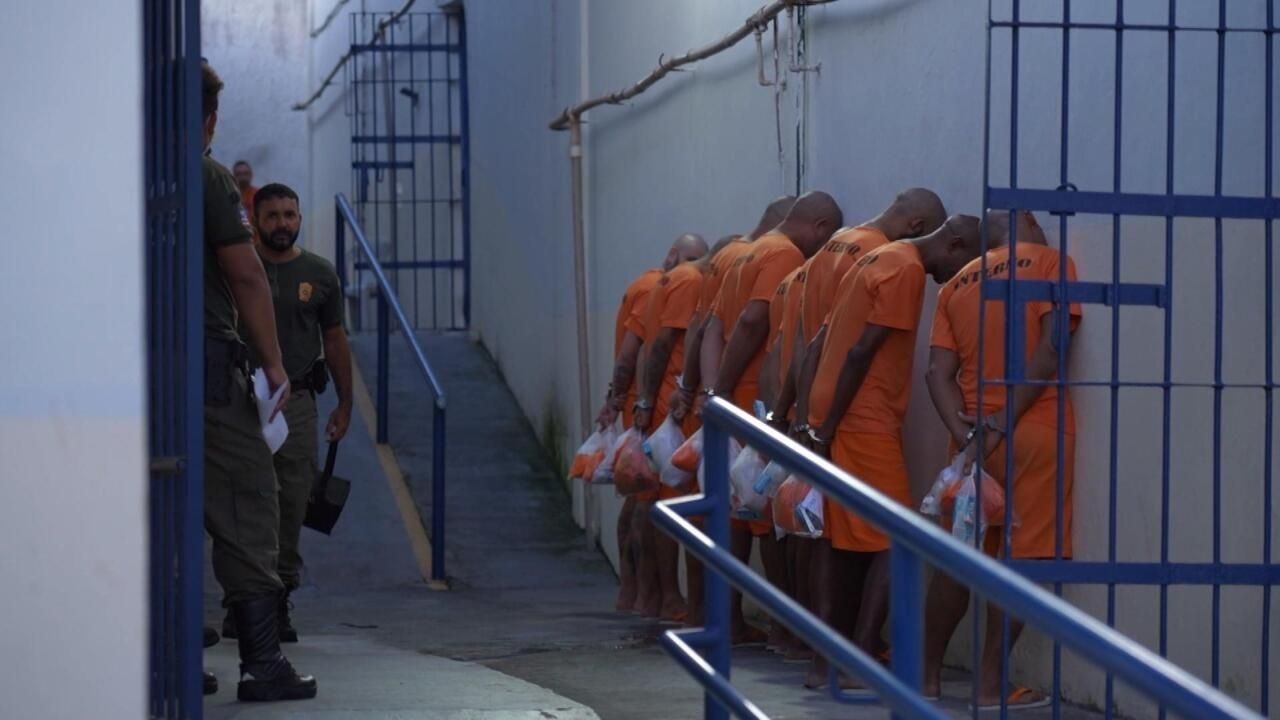
Georgia's prison system has long been a source of controversy and concern. With over 53,000 inmates and a recidivism rate of 30%, the state's correctional facilities are struggling to keep up with the demand for rehabilitation and reform. Despite efforts to address the issue, Georgia's jails and prisons remain overcrowded, with many facilities operating at or above capacity. In this article, we'll delve into the heart of the problem, exploring the factors contributing to Georgia's prison crisis and the efforts being made to address it.
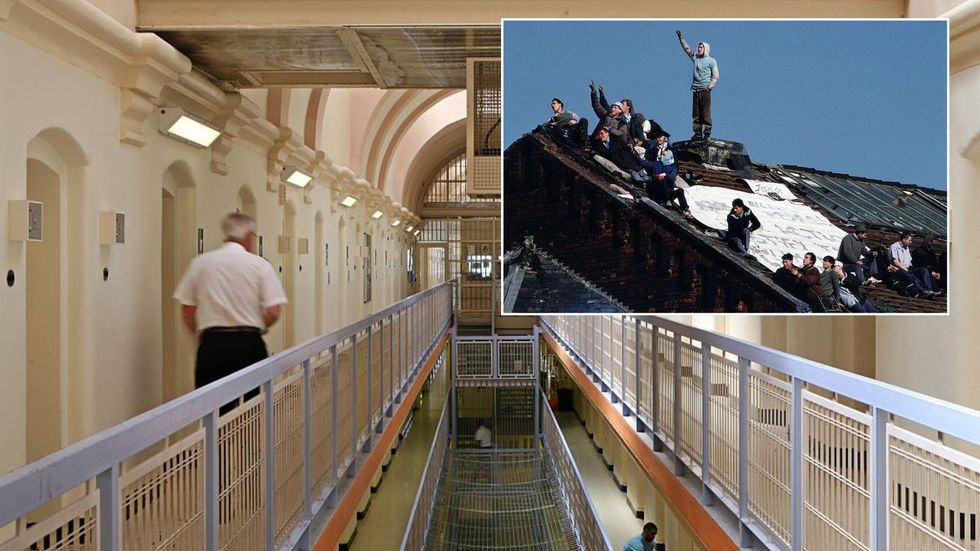
The Southern state's incarceration rate has skyrocketed over the past few decades, with Georgia's population increasing by 25% since 2000. As a result, the state's prisons and jails have become overcrowded, with many facilities operating at or above capacity. According to a 2020 report by the Southern Center for Human Rights, Georgia's prisons have a bed capacity of 45,000, but currently house over 53,000 inmates. This has led to a number of concerns, including increased violence, inadequate access to medical care, and a lack of rehabilitation opportunities.
The Root Causes of Georgia's Prison Problem
Over-Aggressive Policing and Prosecution
One of the primary drivers of Georgia's prison problem is the state's over-aggressive policing and prosecution practices. Critics argue that law enforcement agencies in Georgia have become overly reliant on arrests and convictions, often targeting low-level offenders and communities of color. As a result, the state's jails and prisons have become overcrowded with non-violent offenders, many of whom are serving lengthy sentences for relatively minor crimes.
"We've created a system where the goal is to fill up the prisons, rather than to actually address the root causes of crime," said Kara Gotsch, executive director of the Sentencing Project. "We need to shift our focus from punishment to rehabilitation, and that means providing access to education, job training, and mental health services."
Racial Disparities and Mass Incarceration
Georgia's prison problem is also deeply tied to issues of racial disparities and mass incarceration. The state's African American population is disproportionately represented in the prison system, with black men making up over 60% of the state's inmates. This is largely due to systemic inequalities in policing, prosecution, and sentencing, which have led to the over-representation of black Georgians in the justice system.
"Georgia's prison system is built on a foundation of racism and oppression," said Jody Owens, executive director of the Southern Center for Human Rights. "We need to acknowledge and address these disparities head-on, rather than perpetuating the status quo."
The Human Cost of Overcrowding
Medical Care and Health Services
One of the most pressing concerns in Georgia's overcrowded prisons is the lack of access to medical care and health services. Inmates are often forced to wait weeks or even months for medical attention, leading to serious health complications and even death. According to a 2020 report by the Georgia Department of Corrections, over 20% of inmates reported experiencing chronic pain, while over 15% reported experiencing mental health issues.
"The conditions in Georgia's prisons are inhumane," said Audrey Cox, a prisoner's advocate. "Inmates are being left to suffer from preventable medical conditions, and it's a travesty."
Safety and Security Concerns
Georgia's overcrowded prisons have also become hotbeds for violence and gang activity, with inmates often forced to live in unsanitary and overcrowded conditions. According to a 2020 report by the Georgia Bureau of Investigation, there were over 1,000 reported incidents of violence in the state's prisons, including stabbings, beatings, and riots.
"The safety and security of our inmates and staff are of the utmost importance," said Steve Phillips, director of the Georgia Department of Corrections. "We're working to address these issues through improved training, increased surveillance, and enhanced security measures."
The Road to Reform
Efforts to Address Overcrowding
Despite the challenges facing Georgia's prison system, there are efforts underway to address overcrowding and reform the state's correctional facilities. One key initiative is the Prison Reform and Redemption Act, which was signed into law by Governor Brian Kemp in 2019. The act aims to reduce recidivism rates by increasing access to education, job training, and mental health services.
"We're making progress, but we still have a long way to go," said Governor Kemp. "We need to prioritize rehabilitation over punishment, and focus on providing our inmates with the tools they need to succeed."
Alternatives to Incarceration
Another key area of focus is the development of alternatives to incarceration, including community-based programs and restorative justice initiatives. These programs aim to address the root causes of crime, rather than simply punishing offenders. According to a 2020 report by the Georgia Department of Community Supervision, over 70% of participants in community-based programs reported reducing their crime rates.
"Alternatives to incarceration are a crucial step towards reforming Georgia's prison system," said Allison Padilla-Goodman, executive director of the Georgia Justice Project. "We need to prioritize compassion and rehabilitation, rather than simply throwing people behind bars."
Conclusion
Georgia's prison problem is a complex and multifaceted issue, driven by factors such as over-aggressive policing, racial disparities, and overcrowding. However, by acknowledging and addressing these issues, the state can work towards creating a more just and rehabilitative correctional system. As Georgia continues to navigate this challenge, it's essential to prioritize the needs and rights of its inmates, as well as the safety and security of its communities.
Related Post
Georgia's Justice System: A Complex Web of Jails and Prisons

Uncovering the Best of Austin's Rental Markets: Tips, Trends, and Insights from Zillow Houses For Rent

Nagoya Massage: Unlocking the Secrets of Japan's Ancient Healing Tradition

Unmasking the Truth: How ERJ Inmate Search Revolutionizes Prison Records Access


