Mastering the Art of Parallel Parking: A Comprehensive Guide
Mastering the Art of Parallel Parking: A Comprehensive Guide
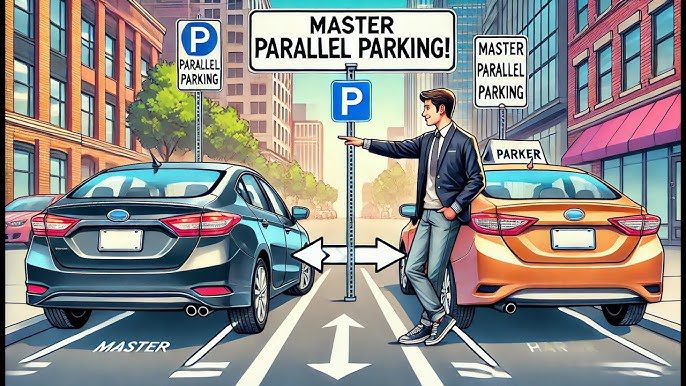
As any driver can attest, parallel parking is a fundamental skill that can make or break a morning commute. It requires a combination of patience, attention to detail, and a clear understanding of the parking space's dimensions. In this article, we will delve into the world of parallel parking, examining the best techniques, pitfalls to avoid, and expert advice for navigating even the tightest of spaces.
Parallel parking is a skill that has been perfected over time, with many drivers relying on a combination of instinct, muscle memory, and good old-fashioned luck to squeeze their vehicles into cramped parking spots. However, with practice and patience, anyone can master the art of parallel parking. Whether you're a seasoned driver or a nervous novice, this guide will provide you with the tools and techniques necessary to tackle even the most daunting parking challenges.
The Anatomy of Parallel Parking
Before we dive into the world of parallel parking, it's essential to understand the basic components involved in the process. Here are the key elements you'll need to consider:
* **The parking space**: This is where the magic happens (or not). Parallel parking spaces can vary greatly in length, width, and angle, so it's crucial to size up the space before attempting to park.
* **Your vehicle**: Familiarize yourself with your car's dimensions, taking note of the length, width, and turning radius. This will help you gauge whether or not you can fit into the space.
* **Traffic and pedestrians**: Be mindful of your surroundings, taking care not to disturb other drivers or pedestrians.
Now that we've covered the basics, let's move on to the key techniques involved in parallel parking.
Techniques for Parallel Parking
Parallel parking is an art form that requires a combination of slow, deliberate movements and a keen sense of spatial awareness. Here are some techniques you can use to improve your parking skills:
1. **Find a suitable parking space**: Look for a space that's roughly parallel to the curb and has a decent amount of space on either side. Avoid parking spaces that are too narrow or have obstacles, such as street signs or parked cars.
2. **Align your vehicle**: Pull up parallel to the car in front of the parking space and align your vehicle with it. Leave enough space between your vehicle and the car in front of the parking space for you to fit comfortably.
3. **Signal your intentions**: Indicate your intention to park by turning on your turn signal. This will alert other drivers and pedestrians to your plans.
4. **Check your mirrors and blind spots**: Take a glance at your rearview mirror and check your blind spots for any obstacles.
5. **Inch forward**: Align your vehicle with the car in front of the parking space and inch forward slowly, checking your mirrors and blind spots regularly.
6. **Straighten out**: Once you've reached the halfway point, straighten out your vehicle and prepare to reverse into the space.
7. **Reverse into the space**: Back into the parking space slowly, checking your mirrors and blind spots regularly. Keep an eye on your vehicle's position in relation to the curb and other parked cars.
8. **Center yourself**: Once you're in the space, center yourself between the curb and the car in front of the parking space.
While these techniques may seem straightforward, there are some common pitfalls to watch out for.
Common Pitfalls to Avoid
Parallel parking can be a daunting task, even for experienced drivers. Here are some common pitfalls to watch out for:
* **Underestimating the space**: Don't get caught short by underestimating the space. Make sure to leave enough room between your vehicle and the car in front of the parking space.
* **Not checking your mirrors and blind spots**: This is a rookie mistake. Always take the time to check your mirrors and blind spots before attempting to park.
* **Not signaling your intentions**: Don't leave other drivers and pedestrians guessing – signal your intentions to park by turning on your turn signal.
* **Inching forward too quickly**: Go slow, my friend! Inching forward too quickly can result in a ruined parking job.
* **Not centering yourself**: Don't be afraid to get out of your vehicle and check your position in relation to the curb and other parked cars.


Related Post

10 Life-Changing Benefits of Following Driving Directions in Modern Times
:max_bytes(150000):strip_icc()/KILZ_24.03_LAKEHOUSE_KITCHEN_KM_003-cf3be5215e8c44338d4cbe6ae06d993e.jpg)
Joanna Gaines' Lake House: A Showstopping Getaway with Rustic Charm and Unparalleled Views

The Fascinating World of Foot Worship: Unpacking the Mysterious Practice of Foot Sniffing

Unveiling the Timeless Charm of "Raja Hindustani": A Musical Masterpiece That Continues to Captivate