**Southern Maryland News Exclusive: Uncovering the Hidden Gems of the Chesapeake Bay Watershed**
**Southern Maryland News Exclusive: Uncovering the Hidden Gems of the Chesapeake Bay Watershed**
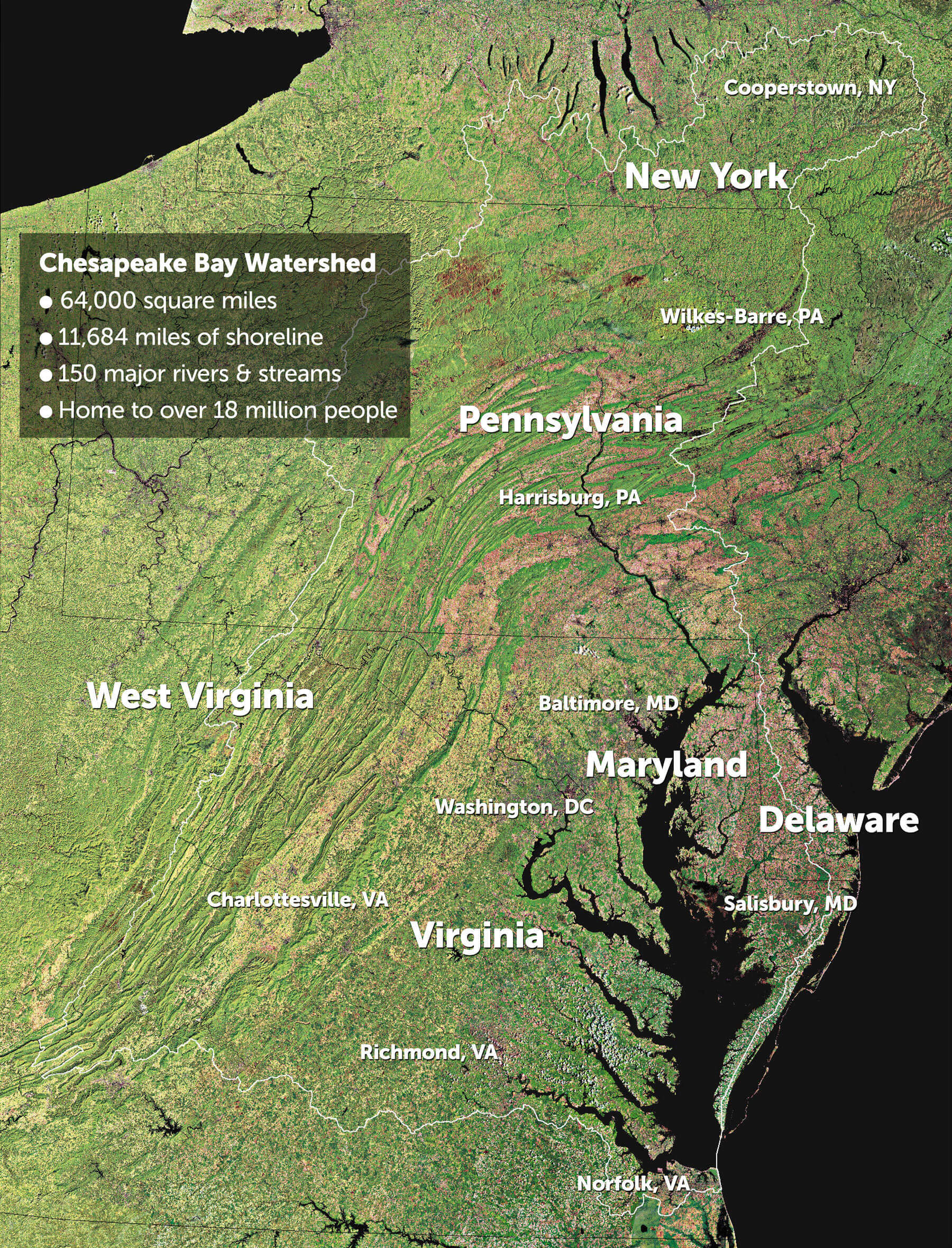
As the sun rises over the Chesapeake Bay, a world of wonder and discovery unfolds in the 64,000-square-mile watershed that spans across Maryland, Virginia, and Washington D.C. Home to over 18 million people, the Bay's waters, wetlands, and shorelines support an unparalleled array of plant and animal species, from the majestic bald eagle to the humble horseshoe crab. Yet, beneath the surface of this vital ecosystem lies a complex web of challenges and opportunities that require a concerted effort from residents, policymakers, and conservationists to protect the region's rich natural heritage.
The Chesapeake Bay's plight is well-documented: decades of pollution, habitat destruction, and overfishing have taken a devastating toll on the water quality, fish populations, and wildlife habitats. According to the Chesapeake Bay Foundation, the Bay's water quality has shown no significant improvement in the past 20 years, with pollutants from fertilizers, sewage, and industrial runoff continuing to threaten the health of the Bay's ecosystem.
**A Complex Web of Threats**
The challenges facing the Chesapeake Bay are multifaceted and interconnected. Here are some of the key threats to the Bay's health:
The single largest threat to the Bay is pollution from excess nutrients, including nitrogen and phosphorus, which contribute to the growth of algae blooms and dead zones in the water. According to Dr. Beth McGee, Director of Science Policy for the Chesapeake Bay Foundation, "The Bay's waters are essentially a giant filter for pollutants coming from the Chesapeake watershed. When we put pollutants into the water, they flow right into the Bay, impacting water quality and the health of plants and animals that depend on it."
The Human Impact: How Pollution Enters the Waterway
The primary sources of nutrient pollution are:
- Farm runoff: Fertilizers and manure from agricultural fields contribute to the excess nutrients in the water.
- Lawn care: Household fertilizers and pesticides from lawn care activities also contain nutrients that flow into storm drains and eventually into the Bay.
- Septic systems and sewage treatment plants: Aging infrastructure and outdated treatment technologies can fail to remove nutrients from wastewater, which then enter the waterway.
- Industrial runoff: Factories, construction sites, and other industrial activities can release pollutants directly into the water or through stormwater runoff.
**Conservation Efforts: Success Stories and Challenges Ahead**
Despite the daunting challenges facing the Chesapeake Bay, numerous conservation initiatives have yielded significant successes. These efforts have improved water quality, restored habitats, and protected wildlife populations. Here are a few notable examples:
The Assawoman Wildlife Management Area in Dorchester County has become a model for wetland restoration and wildlife conservation. Since its creation in 1998, the area has seen a significant increase in waterfowl and songbird populations, and has provided critical habitat for threatened species like the osprey and bald eagle.
Additionally, oyster farming has become a thriving industry in Southern Maryland, providing a sustainable source of seafood while also helping to filter pollutants from the water. Since the early 2000s, oyster farming has removed millions of pounds of nitrogen from the Bay, contributing to improved water quality.
Key Players in Chesapeake Conservation
The following organizations and individuals play critical roles in Chesapeake Bay conservation:
- Chesapeake Bay Foundation: The nonprofit organization has been at the forefront of Bay conservation, advocating for improved water quality and habitat protection.
- State and local agencies: Maryland and Virginia's departments of natural resources, as well as local government entities, have implemented policies and programs aimed at reducing pollution and protecting the Bay's natural resources.
- Sustainable agriculture initiatives: Practices like cover cropping, reduced tillage, and integrated pest management have allowed farmers to reduce their environmental footprint while maintaining crop yields and farm profitability.
- Community-based conservation groups: Organizations like the Southern Maryland Land Trust and the Anne Arundel County Watershed Coalition work to protect sensitive habitats and promote sustainable land use practices.
**Looking Ahead: Opportunities and Challenges in Bay Conservation**
As the Chesapeake Bay watershed continues to evolve, it's essential to acknowledge both the progress that has been made and the work still to be done. Here are some key takeaways for policymakers, conservationists, and residents:
To achieve the ambitious goal of restoring the Bay's health, we must:
- Continue to address the root causes of pollution, including excess nutrients and habitat destruction.
- Invest in restoration efforts, such as wetland and oyster reef construction.
- Support sustainable agriculture practices that reduce environmental impacts while maintaining farm profitability.
- Engage communities in the decision-making process to ensure that conservation efforts meet the needs of local residents.
Challenges Ahead: Climate Change and Future Uncertainty
As the Bay enters a new decade, climate change poses an increasingly significant threat to the watershed's health. Rising temperatures are expected to exacerbate pollution, alter species distributions, and disrupt food webs. In this context, conservation efforts must adapt to the changing circumstances and prioritize initiatives that build resilience and promote long-term sustainability.
**The Future of the Chesapeake Bay: Hope and Caution**
As we look to the future, it's essential to acknowledge both the progress made and the challenges that lie ahead. Despite the many successes and setbacks, the Chesapeake Bay remains an extraordinary ecosystem with boundless potential. By prioritizing conservation efforts, reducing pollution, and promoting sustainable practices, we can ensure that the Bay continues to thrive for generations to come.
"We are at a critical juncture in the Bay's history," notes Dr. Beth McGee, Director of Science Policy at the Chesapeake Bay Foundation. "It's time to come together as a region and invest in the future of the Bay. We must work collectively to address the root causes of pollution and protect this magnificent resource for future generations."
As the Chesapeake Bay enters this new era of restoration and growth, one thing is certain: the future is ours to shape. Will we choose to prioritize short-term gains or long-term sustainability? Can we reconcile the complex interplay of human and environmental imperatives? The answers to these questions will determine the fate of this incredible ecosystem – and of the communities that call it home.


Related Post

The Rise of Southern Maryland: How Tourism and Economic Development are Transforming the Region

Unstoppable Force: The Rise of Ronda Rousey - An American MMA Icon

The Micaiah Maraj Empire: A Shining Star on the Horizon of Social Media and Entrepreneurship

Scaling the Salon Business: How Salon Centric Employment Can Revolutionize Your Salon's Success