The Great Divide: Understanding the Complexities of Polarization
The Great Divide: Understanding the Complexities of Polarization
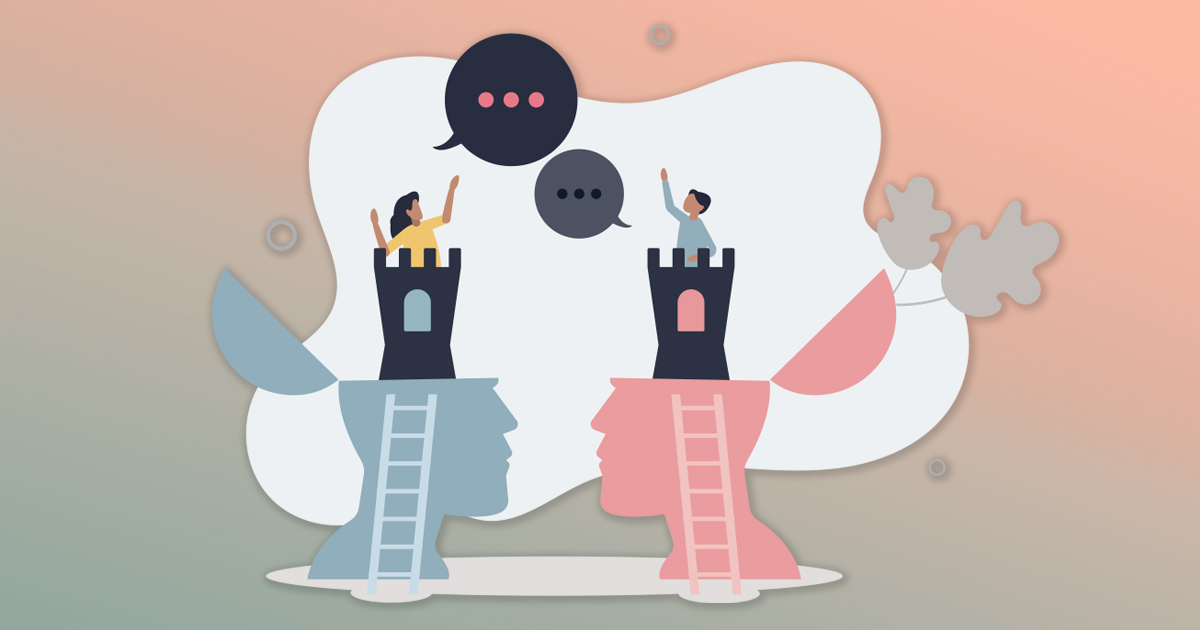
Polarization has become a pervasive phenomenon in modern societies, with far-reaching consequences for politics, social cohesion, and even the very fabric of democracy. The term refers to the increasing divide between individuals and groups who hold opposing views, often leading to a breakdown in civil discourse and a loss of common ground. As we navigate this complex and multifaceted issue, it's essential to explore the underlying factors driving polarization, its impact on society, and potential strategies for bridging the divide.
The rise of polarization can be attributed to various factors, including the proliferation of social media, the 24-hour news cycle, and the increasing polarization of politics. Social media platforms, in particular, have created "filter bubbles" that reinforce users' existing views, making it more difficult for individuals to engage with opposing perspectives. "The algorithms that power social media are designed to maximize engagement, which often means amplifying extreme views and silencing more moderate voices," notes Dr. Kathleen Hall Jamieson, a renowned expert on media and politics. "This has created an environment where people are more likely to be exposed to information that confirms their biases rather than challenging them."
The effects of polarization can be seen in various domains, from politics to education and even the workplace. In the realm of politics, the increasing divide between parties has led to gridlock and a lack of meaningful dialogue. In education, polarization has resulted in the "echo chambers" of academic departments, where faculty members are often siloed into their own disciplines and lack exposure to opposing viewpoints. Even in the workplace, polarization can lead to decreased collaboration and productivity, as employees become more entrenched in their own perspectives.
The Psychological Roots of Polarization
The Role of Identity and Emotions
Polarization is often driven by psychological factors, particularly identity and emotions. When individuals are strongly invested in a particular group or ideology, they are more likely to engage in polarized behavior. "People are more likely to identify with a group that reinforces their sense of self and provides a sense of belonging," explains Dr. Helene J. Barcelos, a psychologist specializing in group dynamics. "This can lead to a 'us versus them' mentality, where individuals become more entrenched in their views and less willing to listen to opposing perspectives."
Emotions also play a significant role in polarization, with fear, anger, and anxiety often serving as motivators for individuals to adopt more extreme views. "When people are afraid or angry, they become more rigid in their beliefs and less open to compromise," notes Dr. Dan Ariely, a behavioral economist. "This can lead to a vicious cycle of polarization, where individuals become more entrenched in their views and less willing to engage in civil discourse."
The Role of Institutions and Social Structure
The Impact of Politics and Economics
Institutions and social structures also play a significant role in perpetuating polarization. Politics, in particular, can be a major driver of polarization, as individuals become more entrenched in their party affiliations and ideologies. "The increasing polarization of politics has led to a breakdown in civil discourse and a lack of meaningful dialogue," notes Dr. Norm Ornstein, a scholar of politics and government. "This has resulted in a loss of common ground and a decline in the ability of individuals to work together to address pressing issues."
Economics also plays a significant role in polarization, particularly in the realm of income inequality. When individuals feel that the system is stacked against them, they are more likely to become entrenched in their views and less willing to compromise. "The growing wealth gap has led to a sense of disenfranchisement among many Americans, who feel that the system is rigged against them," notes Dr. Lawrence Katz, a labor economist. "This has resulted in increased polarization and a breakdown in civil discourse."
Strategies for Bridging the Divide
Civil Discourse and Active Listening
Bridging the divide between polarized groups requires a commitment to civil discourse and active listening. This involves engaging in respectful dialogue, listening to opposing views, and seeking common ground. "The key to bridging the divide is to focus on shared values and interests rather than ideological differences," notes Dr. Peter Howe, a facilitator of dialogue and conflict resolution. "By doing so, individuals can create a sense of commonality and begin to build bridges across the divide."
Active listening is also crucial in bridging the divide, as individuals must be willing to engage with opposing perspectives and challenge their own assumptions. "Active listening involves not only hearing but also understanding and empathizing with the views of others," explains Dr. Marshall Rosenberg, a conflict resolution expert. "By doing so, individuals can begin to break down the barriers that separate them and build a sense of connection and community."
The Future of Polarization
Will We Be Able to Bridge the Divide?
The future of polarization is uncertain, but it's clear that addressing this issue will require a concerted effort from individuals, institutions, and social structures. "Bridging the divide will require a commitment to civil discourse, active listening, and a willingness to challenge our own assumptions," notes Dr. Jonathan Haidt, a social psychologist. "It will also require a recognition of the complexity and nuance of social issues and a willingness to engage in meaningful dialogue."
Ultimately, the future of polarization will depend on our ability to engage in constructive dialogue, seek common ground, and build bridges across the divide. By doing so, we can create a more inclusive and compassionate society, where individuals from diverse backgrounds and perspectives can come together to address pressing issues and build a brighter future for all.



Related Post
The Science of Polarization: Understanding the Fundamental Concept in Physics

Unleashing the Potential: A Comprehensive Guide to Buying Businesses for Sale in Houston

The Surprising Net Worth of Flo from Progressive: A Closer Look

Heartbreak in Indianapolis: Devin Williams Obituary And Death Cause Revealed