The Surprising Benefits of Mindfulness in Modern Life
The Surprising Benefits of Mindfulness in Modern Life
The practice of mindfulness has become increasingly popular in recent years, with many people incorporating it into their daily routines in hopes of achieving a greater sense of calm and well-being. But what exactly is mindfulness, and how can it benefit our lives? According to Dr. Jon Kabat-Zinn, the founder of the Mindfulness-Based Stress Reduction (MBSR) program at the University of Massachusetts Medical School, "Mindfulness is the awareness that arises through paying attention on purpose, in the present moment, and non-judgmentally to the current experience."
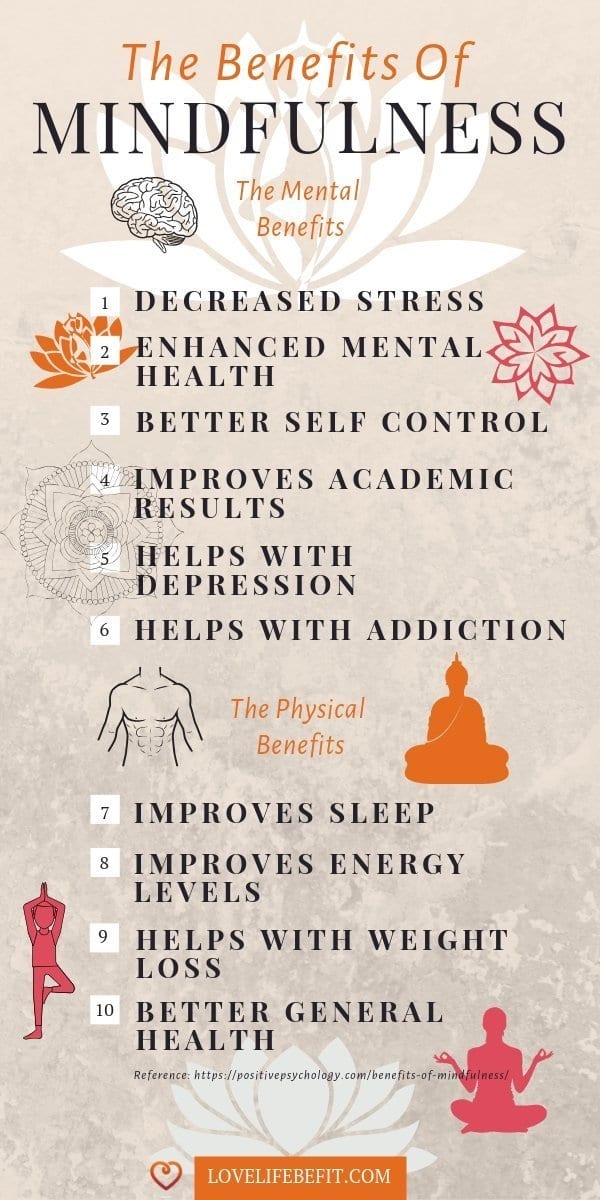
In this article, we'll explore the many benefits of mindfulness, from reducing stress and anxiety to improving cognitive function and even boosting productivity. Whether you're a seasoned meditator or just starting out, we'll delve into the science behind mindfulness and provide practical tips for incorporating it into your daily life.
Reducing Stress and Anxiety
One of the most significant benefits of mindfulness is its ability to reduce stress and anxiety. Research has shown that regular mindfulness practice can decrease the production of stress hormones like cortisol, leading to a sense of calm and relaxation. This is especially beneficial for individuals who experience chronic stress, which can have serious consequences for both physical and mental health.
How Mindfulness Reduces Stress
When we're feeling stressed or anxious, our brains go into "fight or flight" mode, releasing stress hormones like cortisol and adrenaline. These hormones prepare our bodies to respond to threats by increasing heart rate, blood pressure, and respiration. While this response was once adaptive, it can now have negative consequences for our well-being. Mindfulness helps to counteract this response by teaching us to focus on the present moment, rather than getting caught up in worries about the past or future.
Studies have shown that mindfulness practice can reduce the production of stress hormones, leading to a decrease in symptoms like anxiety and depression. A study published in the Journal of the American Medical Association (JAMA) found that mindfulness-based stress reduction (MBSR) program reduced symptoms of anxiety and depression in patients with chronic pain.
Improving Cognitive Function
In addition to reducing stress and anxiety, mindfulness has also been shown to improve cognitive function, including attention, memory, and problem-solving skills. This is likely due to the fact that mindfulness practice increases the growth of new neurons in the brain, a process known as neuroplasticity.
How Mindfulness Improves Cognitive Function
- Increased attention: Mindfulness practice has been shown to improve attentional abilities, allowing individuals to focus more effectively on tasks.
- Improved memory: Studies have found that mindfulness practice can improve memory by increasing the growth of new neurons in the hippocampus, the region of the brain responsible for memory.
- Enhanced problem-solving skills: Mindfulness practice has been shown to improve problem-solving skills by allowing individuals to approach problems with a more flexible and creative mindset.
Boosting Productivity
Mindfulness has also been shown to have a positive impact on productivity, by allowing individuals to approach tasks with a clearer and more focused mind. This is especially beneficial for individuals who experience difficulty staying focused or motivated.
How Mindfulness Boosts Productivity
When we're feeling overwhelmed or distracted, it can be difficult to stay focused on a task. Mindfulness practice helps to reduce mind-wandering and increase focus, allowing individuals to approach tasks with a clearer and more directed mind. According to Mark Williams, a professor of clinical psychology at Oxford University, "Mindfulness is the ability to focus on the present moment, without getting caught up in distractions or mental chatter."
Studies have shown that mindfulness practice can improve productivity by increasing motivation and reducing procrastination. A study published in the Journal of Applied Psychology found that mindfulness-based stress reduction (MBSR) program improved motivation and reduced procrastination in employees.
Practical Tips for Incorporating Mindfulness into Your Daily Life
While the benefits of mindfulness are numerous, incorporating it into your daily life can be challenging. Here are a few practical tips for getting started:
Start Small
Begin with just a few minutes of mindfulness practice per day, such as taking a few deep breaths or focusing on the sensation of your feet on the ground. Gradually increase the duration and frequency of your practice as you become more comfortable.
Make it a Habit
Try to incorporate mindfulness into your daily routine, such as right after waking up or before a meal. Consistency is key when it comes to developing a mindfulness practice.
Find a Quiet Space
Identify a quiet and comfortable space where you can practice mindfulness without distractions. This could be a dedicated meditation room or even just a quiet corner of your living room.
Be Patient
Mindfulness is a practice that takes time and patience to develop. Don't get discouraged if you find it difficult at first – with consistent practice, you'll begin to notice the benefits of mindfulness in your life.
In conclusion, mindfulness is a powerful practice that can have a significant impact on both physical and mental health. From reducing stress and anxiety to improving cognitive function and boosting productivity, the benefits of mindfulness are numerous. By incorporating mindfulness into your daily life, you can experience the many benefits of this ancient practice for yourself.



Related Post

The Melstory Effect: Unlocking the Power of AI-Generated Content

The Unsung Heroine: Ethel Kennedy's Impact on the Kennedy Dynasty

The Fetterman Enigma: Unveiling the Mystique Surrounding Gisele's Photos of John Fetterman

The Rich History and Significance of Ashland Daily Independent Obituaries


