Unlocking Human Potential: The Science Behind Neuroplasticity
Unlocking Human Potential: The Science Behind Neuroplasticity
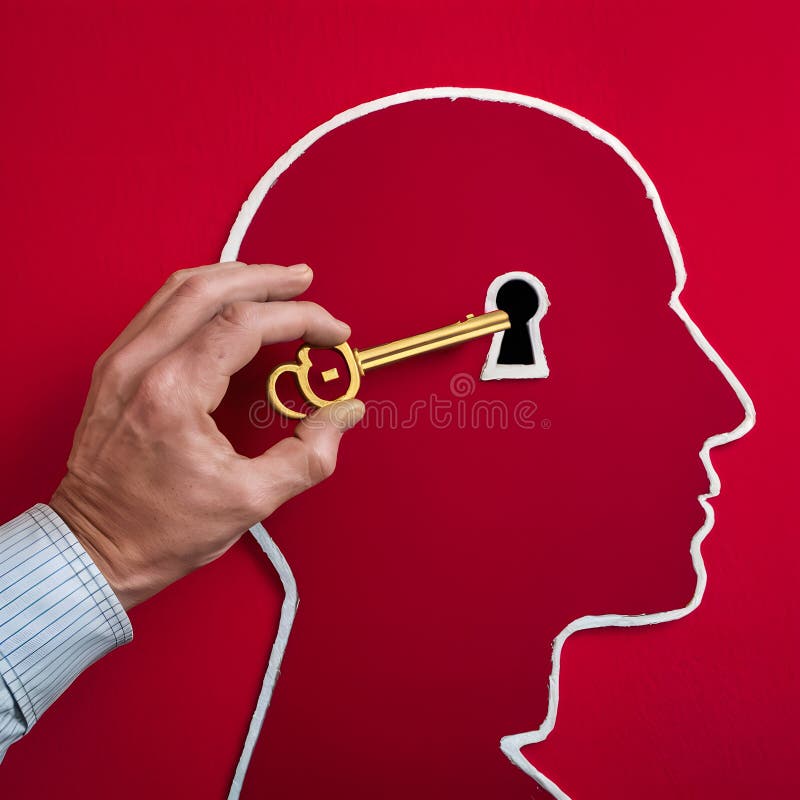
The brain, once thought to be a fixed entity, is now understood as a dynamic and adaptable organ, capable of reorganizing itself in response to new experiences and learning. Neuroplasticity, a term coined in the early 1960s, refers to the brain's remarkable ability to rewire itself, creating new neural pathways and compensating for damaged areas. This concept has revolutionized our understanding of brain function and has opened up new avenues for recovery and rehabilitation in a wide range of neurological disorders.
As researchers delve deeper into the mechanisms behind neuroplasticity, we are learning that the brain is not a static entity, but rather a dynamic system that can be shaped and molded through exercise, practice, and experience. This has significant implications for individuals seeking to improve their cognitive function, recover from injury or disease, and enhance their overall well-being.
The History of Neuroplasticity
The concept of neuroplasticity was first introduced by neuroscientist Donald Hebb in the 1940s, who proposed that "neurons that fire together, wire together." Thisicont heps to form the foundation of our understanding of how new neural pathways are created, and how existing connections are strengthened or weakened. However, it wasn't until the 1960s that the term "neuroplasticity" was officially coined, with researchers like Suzanne Corkin and Edward Taub making significant contributions to the field.
In the 1990s, advances in neuroimaging technology allowed researchers to visualize and map the brain's neural connections in unprecedented detail. This led to a deeper understanding of how different brain areas communicate and how new neurons are born and integrated into existing neural circuits. The study of neuroplasticity has continued to expand, with researchers exploring its role in various neurological and psychiatric disorders, such as Alzheimer's disease, Parkinson's disease, and depression.
Types of Neuroplasticity
There are several types of neuroplasticity, each with distinct characteristics and implications for brain function and recovery. Some of the most significant types include:
-
Synaptic Plasticity
:• Long-term potentiation (LTP): a long-lasting increase in the strength of synaptic connections between neurons
• Long-term depression (LTD): a long-lasting decrease in the strength of synaptic connections
-
Neuronal Plasticity
:• Neurogenesis: the birth of new neurons
•
Neuromodulation
: Dopaminergic modulation: the release of dopamine, a neurotransmitter involved in reward processing and motivation, to modulate learning and motivation- GABAergic modulation: the release of GABA, a neurotransmitter involved in inhibitory processes, to regulate neural activity
- Glutamatergic modulation: the release of glutamate, a neurotransmitter involved in excitatory processes, to regulate neural activity
Neuroplasticity in Recovery and Rehabilitation
The concept of neuroplasticity has had a profound impact on our understanding of recovery and rehabilitation in various neurological and psychiatric disorders. By adapting and reorganizing their brain function, individuals can compensate for damaged areas, regain lost skills, and, in some cases, regain complete function.
In the case of stroke and traumatic brain injury, researchers have found that the brain's ability to reorganize itself can be leveraged to restore lost motor and cognitive functions. For example, individuals who have suffered from traumatic brain injury have been shown to reorganize their brain's motor control systems to regain volitional movement.
In the context of Alzheimer's disease, researchers have found that certain brain areas, such as the hippocampus, can be preserved or even expanded with the use of cognitive training and exercise. This suggests that neuroplasticity may play a critical role in the development and progression of the disease.
Neuroplasticity has also been implicated in the recovery from addiction, as researchers have found that neural adaptations can predict relapse or recovery. Studies have shown that individuals who have suffered from addiction can adapt their brain function to resist the temptation of substances, highlighting the brain's potential for plastic change.
Practical Applications of Neuroplasticity
While the concept of neuroplasticity is complex and fascinating, its practical applications can be relatively straightforward. Some ways to harness the power of neuroplasticity include:
* Cognitive training and practice to strengthen neural connections and compensate for damaged areas
* Regular exercise, which promotes the growth of new neurons and improves cognitive function
* Practice mindfulness and meditation to reduce stress and promote neural adaptability
* Sleep and nutrition to support the growth and maintenance of new neurons
The study of neuroplasticity has challenging our understanding of the brain's capacity for change and recovery. As researchers continue to explore the mechanisms behind this phenomenon, we may uncover new avenues for treatment and rehabilitation in a wide range of neurological and psychiatric disorders.
References:
* Hebb, D.O. (1949). The Organization of Behavior. New York: Wiley.
* Corkin, S. (1968). Neuron-axone disparity in man and monkey. Science, 161(3954).
* Taub, E. (1968). Neuronal plasticity and recovery from brain injury. Journal of Experimental Psychology, 76, 424-432.



Related Post

The Rise of Sustainable Fashion: Why Eco-Conscious Clothing is No Longer a Luxury

RevUp, Wisconsin: Why The State's Plate Renewal Process Needs A Speed Boost
:max_bytes(150000):strip_icc()/Lisa_Lampanelli-58b8c45a3df78c353c1f5509.JPG)
The Rise of Stephanie Jeselnik: Breaking Ground in Comedians Who Write and Craft a Unique Style

Unlocking the Mysteries of "Yellow": A Deep Dive into Coldplay's Iconic Anthem


