Unlocking the Secrets of Perfect Posture: The Anatomy of a Healthy Back
Unlocking the Secrets of Perfect Posture: The Anatomy of a Healthy Back
The way we carry ourselves can have a profound impact on our overall health and wellbeing, with a strong, balanced body being the key to a happy and pain-free life. But with so many of us spending our days slumped over computers or phones, it's no wonder that back pain and related issues are on the rise. So, what exactly is the secret to perfect posture, and how can we unlock the anatomy of a healthy back?
Good posture is not just about looking good – although it's certainly a bonus – it's about allowing our bodies to function at their best. When we stand or sit up straight, we're giving our muscles, bones, and joints the support they need to do their job. Conversely, slouching or slumping can put unnecessary pressure on our spines, leading to fatigue, pain, and even long-term damage. The key is to understand the intricacies of our spinal anatomy and how to keep our backs healthy and strong.
The Spine: A Complex and Wondrous Structure
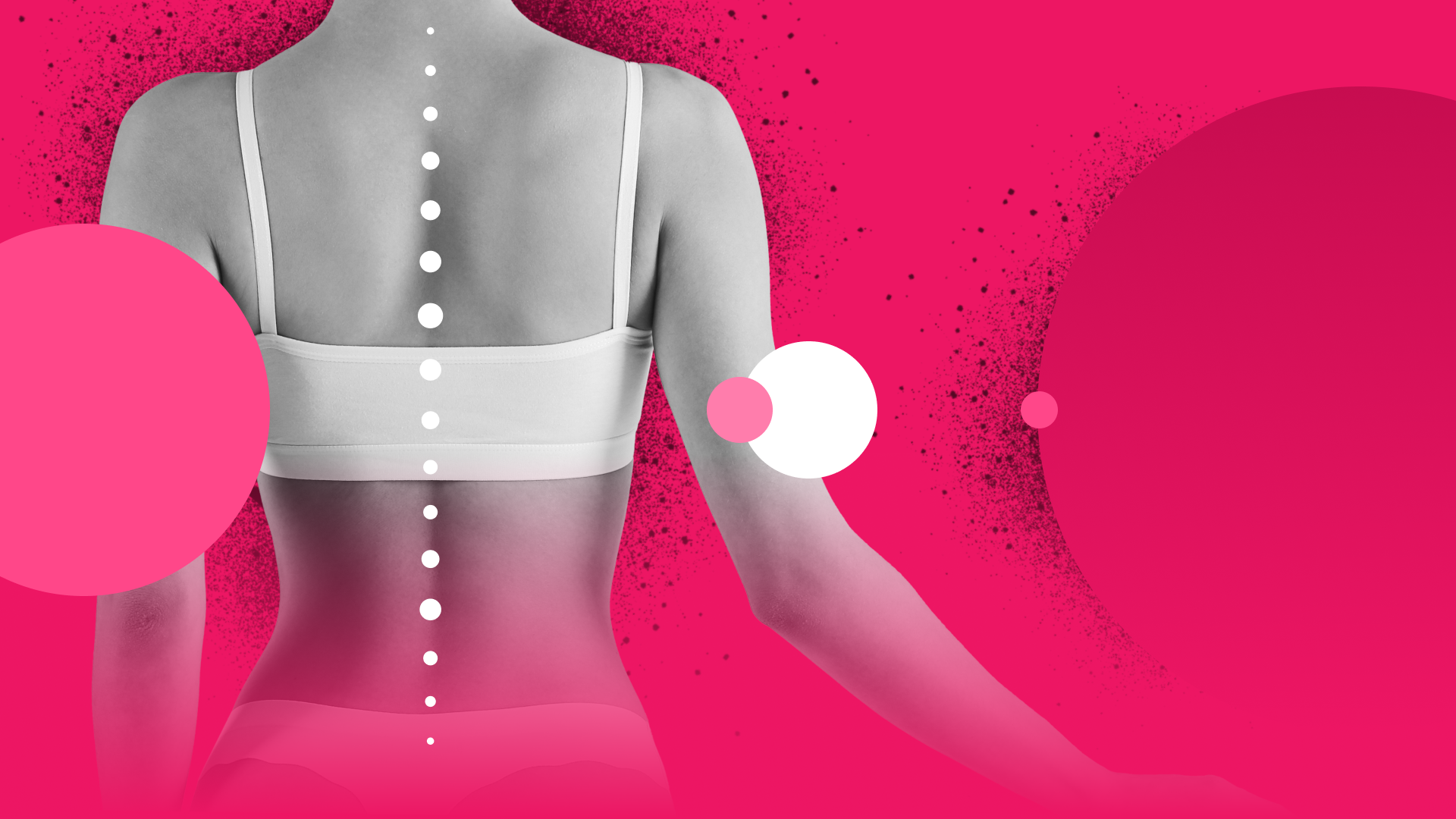
The human spine is a remarkable piece of engineering, comprising 33 vertebrae that stack on top of one another like a stack of blocks. These vertebrae are connected by intervertebral discs, which act as shock absorbers, and allow us to move and bend in a wide range of ways. The spine is also supported by a complex network of muscles, ligaments, and tendons, which work together to keep our backs stable and strong.
At the center of the spine is the spinal cord, a delicate bundle of nerve tissue that runs from the base of the brain down to the lower back. This is where our nervous system is housed, and it plays a crucial role in controlling our movements, sensations, and even our thoughts. With so many moving parts, it's no wonder that back problems can be so complex and difficult to diagnose.
The Importance of Spinal Curves
One of the most important aspects of spinal anatomy is the presence of spinal curves. Our spines are designed to curve in certain ways, with the neck (cervical spine) curving forward, the upper back (thoracic spine) curving backward, and the lower back (lumbar spine) curving forward once again. These curves help to distribute the weight of our bodies evenly, reducing the pressure on our spines and allowing us to move with ease.
However, when we slouch or slouch, we can disrupt these natural curves, leading to a range of problems. For example, when we hunch over a computer screen, we can put pressure on the cervical spine, leading to neck pain and strain. Similarly, when we slouch in a chair, we can compress the thoracic spine, leading to a range of issues from back pain to breathing difficulties.
The Benefits of Good Posture
So, what are the benefits of good posture, and why is it so important to prioritize it? For starters, good posture can help to reduce back pain and related issues, by allowing our spines to function properly and reducing the pressure on our muscles and joints. It can also improve our breathing, by expanding our chests and lungs, and even boost our mood, by reducing stress and promoting relaxation.
In addition, good posture can help us to look and feel more confident, by standing up straight and making a positive impression on others. It can also improve our overall health, by reducing our risk of chronic diseases such as osteoporosis and heart disease. And, as an added bonus, good posture can even help us to live longer, by reducing our risk of premature death.
The Top 5 Posture Mistakes to Avoid
So, how can we avoid the common mistakes that can lead to back problems? Here are the top 5 posture mistakes to watch out for:
* **1. Slouching or slumping**: When we slouch or slouch, we can put pressure on our spines and disrupt our natural curves. Try to keep your shoulders back and your head up when sitting or standing.
* **2. Crossed legs or ankles**: When we cross our legs or ankles, we can put pressure on our hips and lower back, leading to pain and discomfort. Try to keep your legs and ankles uncrossed and relaxed.
* **3. Forward head posture**: When we look down at our phones or computers, we can put pressure on our necks and shoulders, leading to pain and discomfort. Try to keep your head up and your eyes level.
* **4. Wearing high heels**: High heels can disrupt our natural curves and put pressure on our spines, leading to pain and discomfort. Try to wear flat shoes or comfortable heels instead.
* **5. Sitting for too long**: When we sit for too long, we can put pressure on our spines and disrupt our natural curves. Try to take regular breaks to stand up and move around.
Practicing Good Posture: Tips and Tricks
So, how can we practice good posture and keep our backs healthy and strong? Here are some tips and tricks to get you started:
* **1. Stretch regularly**: Stretching can help to loosen up our muscles and improve our flexibility. Try to stretch regularly, focusing on your neck, shoulders, and lower back.
* **2. Take breaks**: Taking regular breaks can help to reduce pressure on our spines and improve our posture. Try to stand up and move around every hour or so.
* **3. Strengthen your core**: Strengthening our core muscles can help to support our spines and improve our posture. Try to incorporate exercises like planks and bridges into your routine.
* **4. Improve your sitting**: Improving our sitting can help to reduce pressure on our spines and improve our posture. Try to sit up straight with your feet on the floor and your arms at your sides.
* **5. Get enough sleep**: Getting enough sleep can help to reduce pressure on our spines and improve our posture. Try to get at least 7-8 hours of sleep per night.
The Future of Back Health: Emerging Trends and Technologies
As we look to the future, it's clear that back health will be a major priority for many of us. Emerging trends and technologies are offering new and innovative ways to support our spines and improve our posture. For example, wearable devices and apps can help us track our posture and provide personalized feedback. Meanwhile, new medical technologies are being developed to diagnose and treat back problems more effectively.
One of the most exciting areas of research is in the field of spinal implants and prosthetics. These devices can help to support our spines and restore mobility to people with spinal injuries or conditions. Meanwhile, new materials and technologies are being developed to create more comfortable and supportive clothing and furniture.
As we move forward, it's clear that back health will be a major focus for many of us. By understanding the anatomy of a healthy back and prioritizing good posture, we can reduce our risk of back problems and enjoy a happier, healthier life. Whether you're a busy professional or an athlete, there's never been a better time to prioritize your back health and unlock the secrets of perfect posture.



Related Post

The Monarchy's Shifting Role In Modern Britain

Tate McRae Nude: Uncovering the Shocking Controversy and Its Lasting Impact on Her Career

Unfolding the Mysteries of the Verse of the Day KJV: Revelation, Guidance, and Spiritual Strength
Why Do People Not Like Joe Rogan? Unpacking the Controversies