Youth Mental Health in a Post-Pandemic World: A Growing Concern
Youth Mental Health in a Post-Pandemic World: A Growing Concern
The COVID-19 pandemic has left an indelible mark on the world, and its impact on the mental health of young people is a pressing concern. According to the World Health Organization (WHO), one in seven Young people (15-29 years old) experience significant distress or impairment due to COVID-19-related stress. With schools reopening and societies slowly returning to normal, it is essential to explore the pressing issue of youth mental health in a post-pandemic world.
As mental health specialist Dr. Laura Markham notes, "The pandemic has created an unprecedented level of stress and anxiety in young people, which can have long-term effects on their emotional wellbeing and development." The unprecedented disruption to their education, social lives, and daily routines has taken a significant toll on their mental health. Parents, educators, and policymakers must come together to address this growing concern and provide support to those affected.
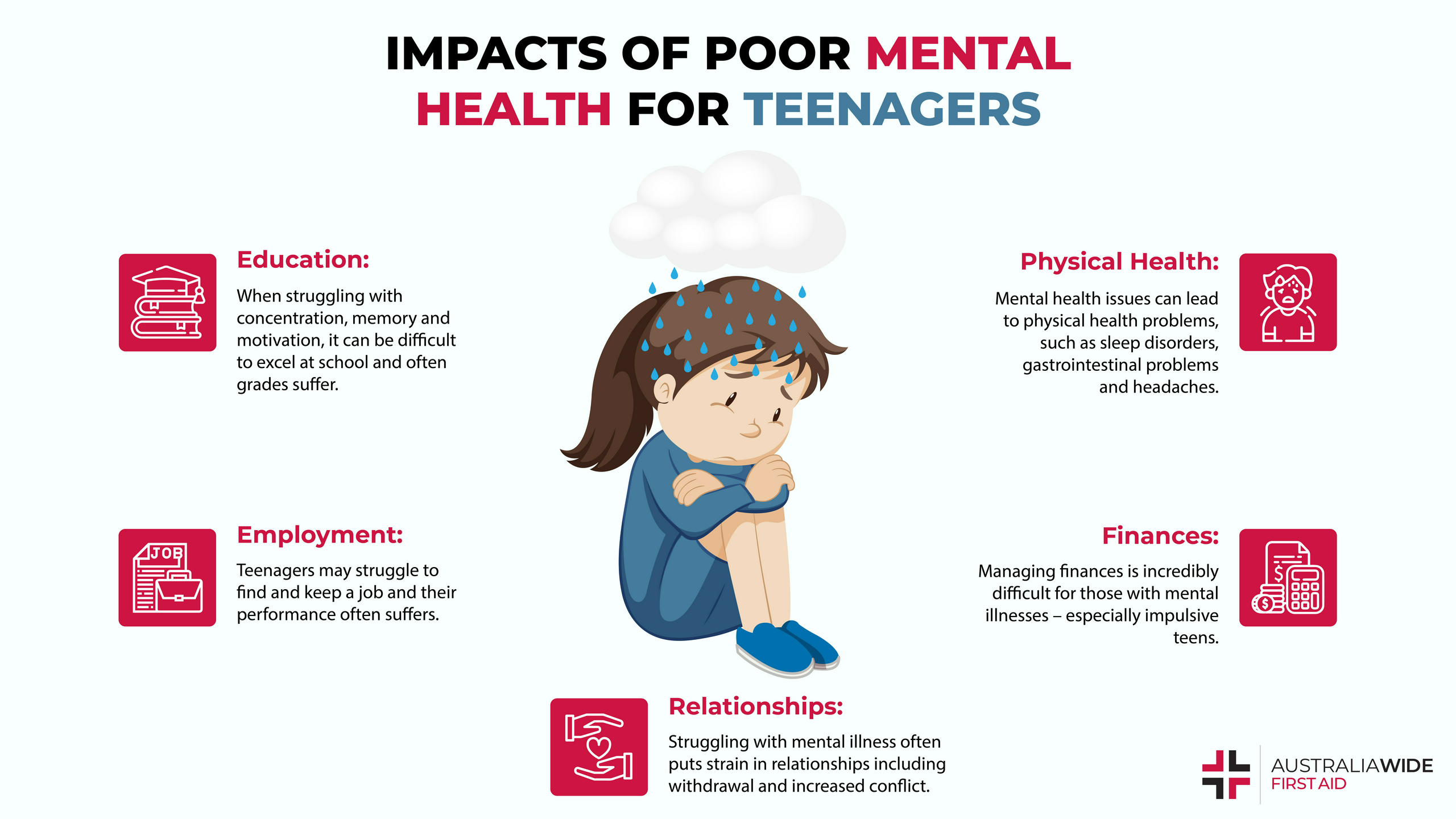
The impact of the pandemic on youth mental health is multifaceted:
Changes in daily routines and social interactions have disrupted the typical socialization processes young people undergo, leading to isolation and loneliness. According to a report by the Royal College of Psychiatrists, young people reported feeling lonely more often during lockdown, with 61% saying they felt isolated at least some of the time.
The closure of schools and colleges has disrupted the learning process, exacerbating existing inequalities in education. Online learning has become the new norm, but it has not replaced the social interaction and shared learning experience of in-person classes. A study by the National Education Association found that students who participated in online courses reported lower engagement and motivation compared to their in-person counterparts.
The loss of traditional support systems, such as sports, music, or extracurricular activities, has left many young people without a sense of purpose and security. According to a survey by the National Alliance on Mental Illness, 71% of young people reported that they rely on friends and family to cope with stress and anxiety.
To alleviate the impact of the pandemic on youth mental health, it is essential to recognize the signs and symptoms of mental health issues in young people. The American Academy of Pediatrics recommends parents and caregivers look out for:
- Changes in mood, appetite, or sleep patterns
- Withdrawal from social activities or decreased interest in hobbies
- Increased irritability or anger
- Decreased motivation or interest in school or activities
If you or someone you know is experiencing symptoms of a mental health issue, there are resources available to help. The Substance Abuse and Mental Health Services Administration (SAMHSA) offers a National Helpline at 1-800-662-HELP (4357), which provides 24/7 confidential support for individuals and families affected by mental or substance use disorders. Online counseling platforms, such as BetterHelp or Talkspace, offer convenient access to mental health professionals.
Supporting Youth Mental Health in a Post-Pandemic World
Supporting the mental health of young people requires a comprehensive approach that involves parents, educators, policymakers, and the broader community. Here are some strategies to help alleviate the impact of the pandemic on youth mental health:
1. normalize the conversation around mental health
By talking openly and honestly about mental health, we can reduce stigma and encourage young people to seek help when needed. Dr. Markham stresses, "We need to create a culture where young people feel comfortable discussing their struggles and don't feel like they're a burden to others."
2. provide access to mental health resources and support
This includes accessible and affordable mental health services, online counseling platforms, and hotlines. By increasing access to these resources, we can ensure that young people have the support they need to manage their mental health.
3. foster a sense of community and social connection
Rebuilding the in-person connection will require a multifaceted approach, including revising school curricula to prioritize mental health, promoting extracurricular activities that encourage social interaction, and establishing safe and inclusive spaces for young people to gather.
4. prioritize self-care and wellness
Focusing on physical and emotional well-being can have a profound impact on mental health. Encouraging young people to engage in activities that promote relaxation, stress-reduction, and fun can help them develop healthy coping mechanisms.
In conclusion, the COVID-19 pandemic has significantly impacted the mental health of young people, emphasizing the need for a comprehensive and supportive approach to address this pressing concern. Recognizing the signs and symptoms of mental health issues, normalizing the conversation around mental health, providing access to resources and support, fostering a sense of community and social connection, and prioritizing self-care and wellness are essential steps towards alleviating the effects of the pandemic on youth mental health.


![Supporting Your Mental Health Post-Pandemic [5 Tips] - Matchless Daily](https://matchlessdaily.com/wp-content/uploads/2021/05/Supporting-Your-Mental-Health-Post-Pandemic.jpg)
Related Post

'Celebrating Legacy': Fond du Lac Reporter Obituaries Shed Light on Area's Rich History

Get Ready for San Diego's Sunshine: 10-Day Weather Forecast

Unraveling the Riddle: Unlocking Charlie Dempsey's Height for Ultimate Success

Renowned Infectious Disease Expert Reveals the Dark Side of Doctor Negative's Unsung Legacy


